
Master Your Emotions. Master the Situation

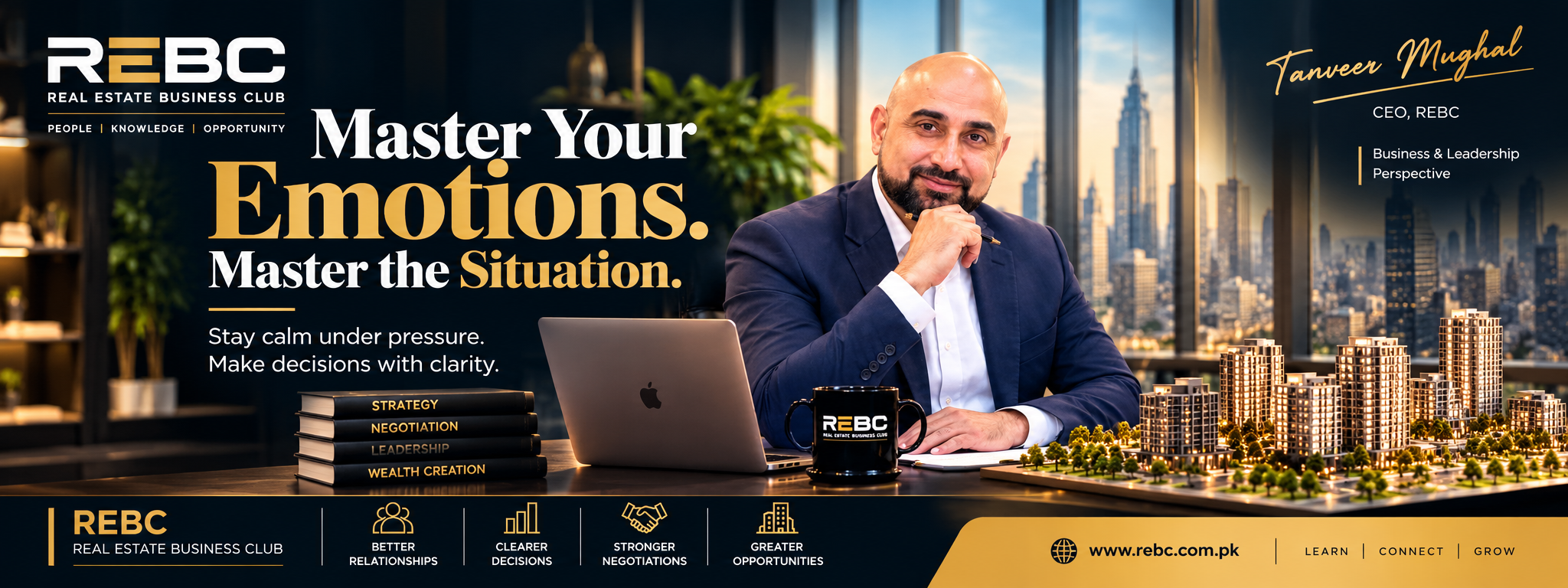
Stay calm under pressure. Make decisions with clarity. Lead with confidence.
In business, leadership, negotiations, and everyday life, one of the most valuable skills you can develop is the ability to manage your emotions.
You cannot always control what happens around you. You cannot control every person’s behavior, every business challenge, or every unexpected situation. But you can develop the ability to control how you respond.
And that ability can make all the difference.
Emotional intelligence is not about suppressing your emotions. It is about understanding them, managing them, and choosing your response wisely.
Anger can damage relationships.
Ego can destroy partnerships.
Frustration can cloud judgment.
Pressure can lead to costly decisions.
But self-awareness, patience, and emotional discipline can help you turn difficult situations into opportunities for growth.
Why Emotional Mastery Matters in Business
1. Stay Calm Under Pressure
Business challenges are inevitable. A delayed deal, a difficult client, a disagreement with a partner, or an unexpected setback can test your patience. Staying calm allows you to think clearly instead of reacting impulsively.
2. Make Better Decisions
Strong emotions can influence judgment. Taking a moment to pause, assess the facts, and consider the consequences helps you make more informed decisions.
3. Strengthen Your Negotiation Skills
Successful negotiation is not about proving you are right or overpowering the other person. It is about understanding interests, managing expectations, communicating effectively, and finding mutually beneficial solutions.
4. Protect Your Professional Relationships
In real estate and business, trust is a valuable asset. A harsh response in a moment of frustration can damage a relationship that took years to build. Emotional discipline helps you disagree respectfully and preserve professional credibility.
5. Lead with Confidence
Great leaders do not allow every challenge to dictate their behavior. They acknowledge their emotions, remain accountable for their actions, and provide stability when others feel uncertain.
A Simple Practice for Emotional Control
When you face a difficult situation:
- Pause before responding.
- Recognize what you are feeling.
- Assess the situation objectively.
- Consider the possible consequences of your response.
- Choose the action that serves your long-term goals and values.
Remember, you do not have to respond to every provocation, win every argument, or make every decision immediately.
Sometimes, a thoughtful pause is more powerful than a quick reply.
Leadership Begins with Self-Mastery
At REBC — Real Estate Business Club, we believe that sustainable business growth requires more than market knowledge and professional connections. It also requires sound judgment, effective communication, strong relationships, and the ability to navigate challenges with maturity.
Whether you are a real estate investor, developer, consultant, entrepreneur, or business leader, mastering your emotional responses can help you negotiate better, build trust, manage conflict, and recognize opportunities that impulsive reactions might cause you to miss.
You cannot always master the situation, but you can work on mastering your response to it.
Lead yourself first. Respond with wisdom. Make decisions with clarity. Build relationships with integrity.
Because the ability to manage yourself is one of the foundations of effective leadership.
— Tanveer Mughal
CEO, Real Estate Business Club (REBC)
Business & Leadership Perspective
🌐 https://rebc.com.pk
📞 03337757759
#REBC #RealEstateBusinessClub #REBCPakistan #RealEstatePakistan #PakistanRealEstate #TanveerMughal #Leadership #EmotionalIntelligence #SelfLeadership #EmotionalMastery #BusinessLeadership #BusinessGrowth #PersonalDevelopment #LeadershipDevelopment #NegotiationSkills #DecisionMaking #RelationshipBuilding #RealEstateProfessionals #LearnConnectGrow #LeadWithWisdom



Responses